


TPP Meets LDP Youth Division: Strengthening Taiwan-Japan Ties in Security and Tech
Taiwan People's Party (TPP) Press Release 2026.05.04
LDP Youth Division Visit to TPP: KC Huang Highlights That Misinformation in Taiwan Frequently Escalates into "Character Assassination"
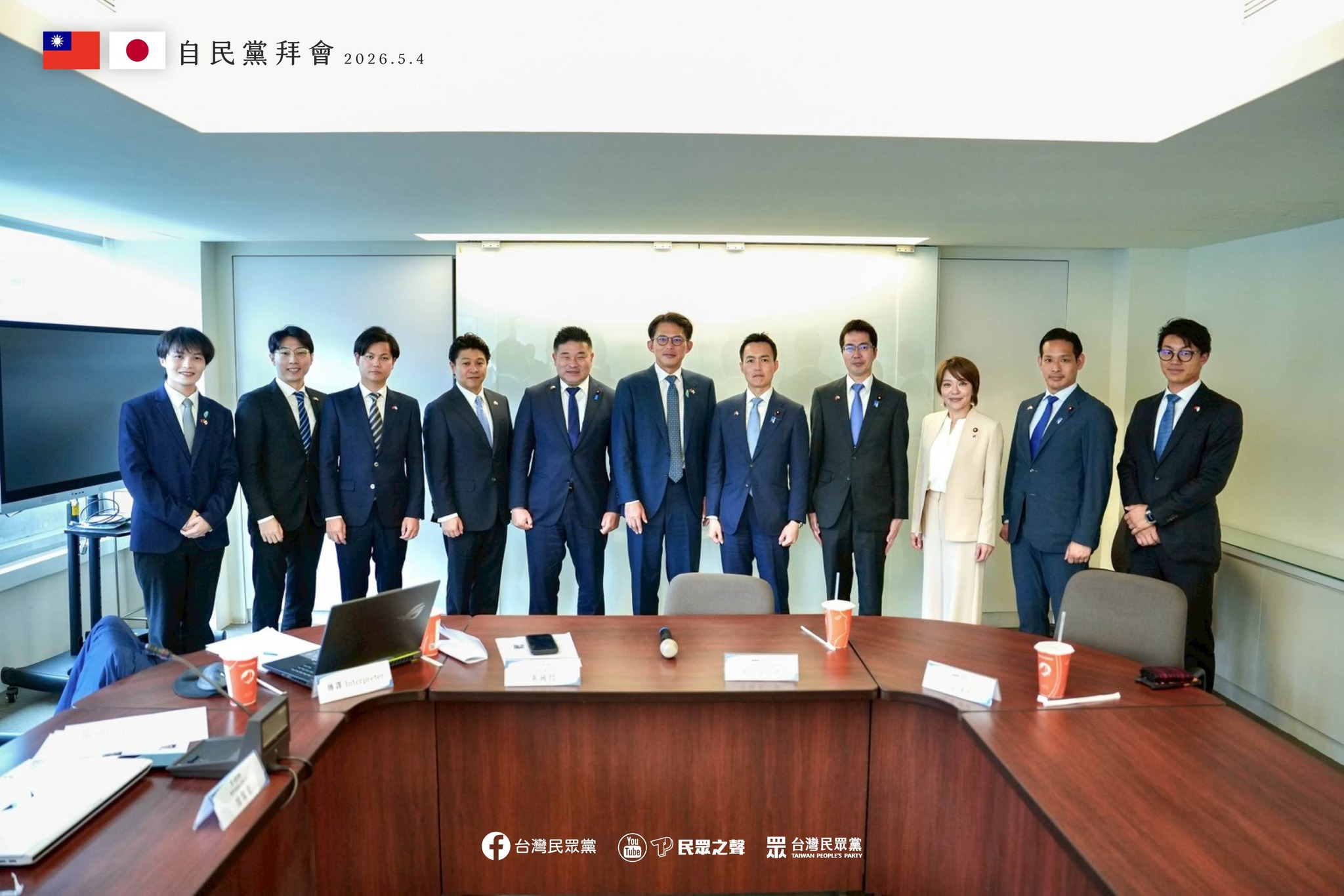
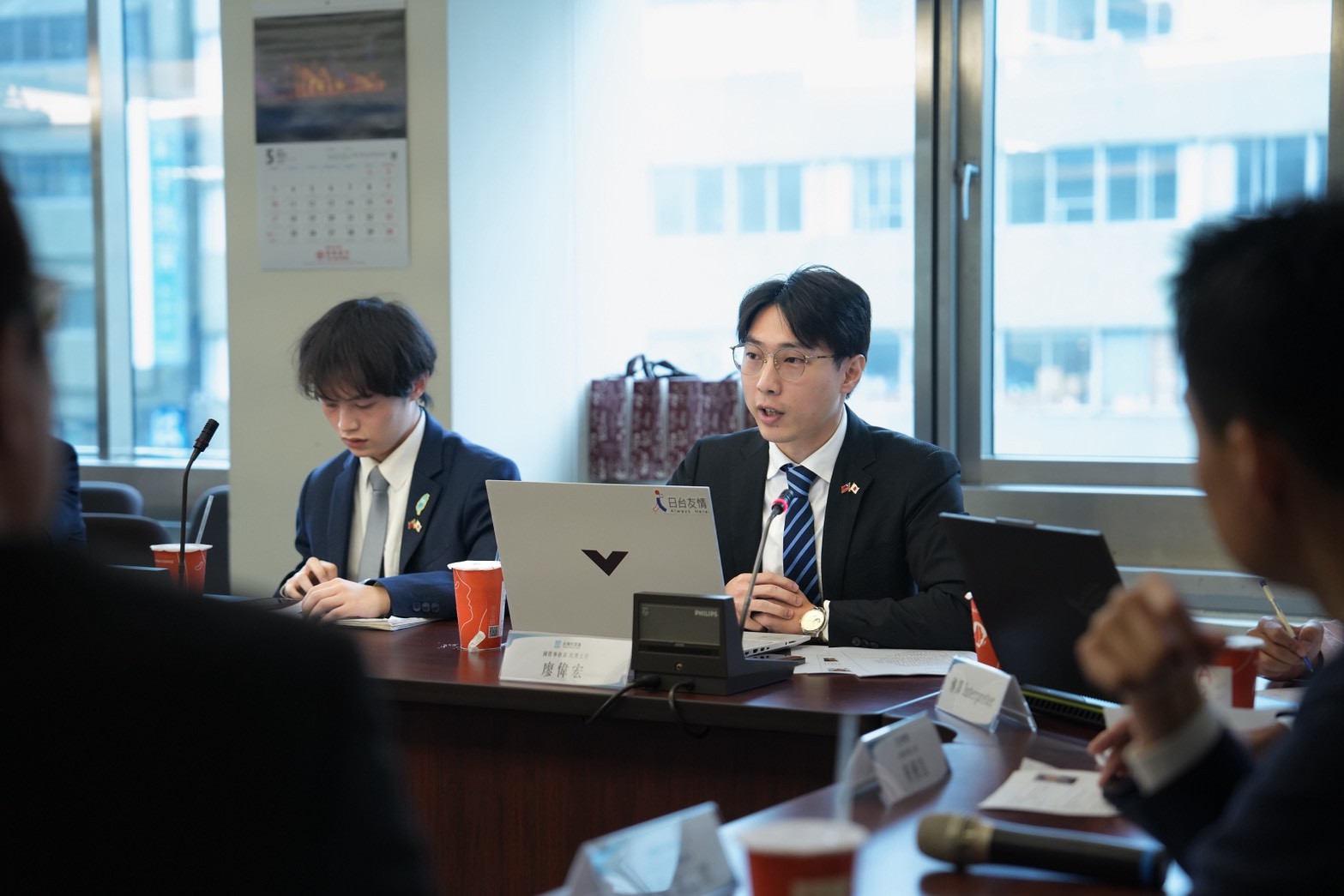
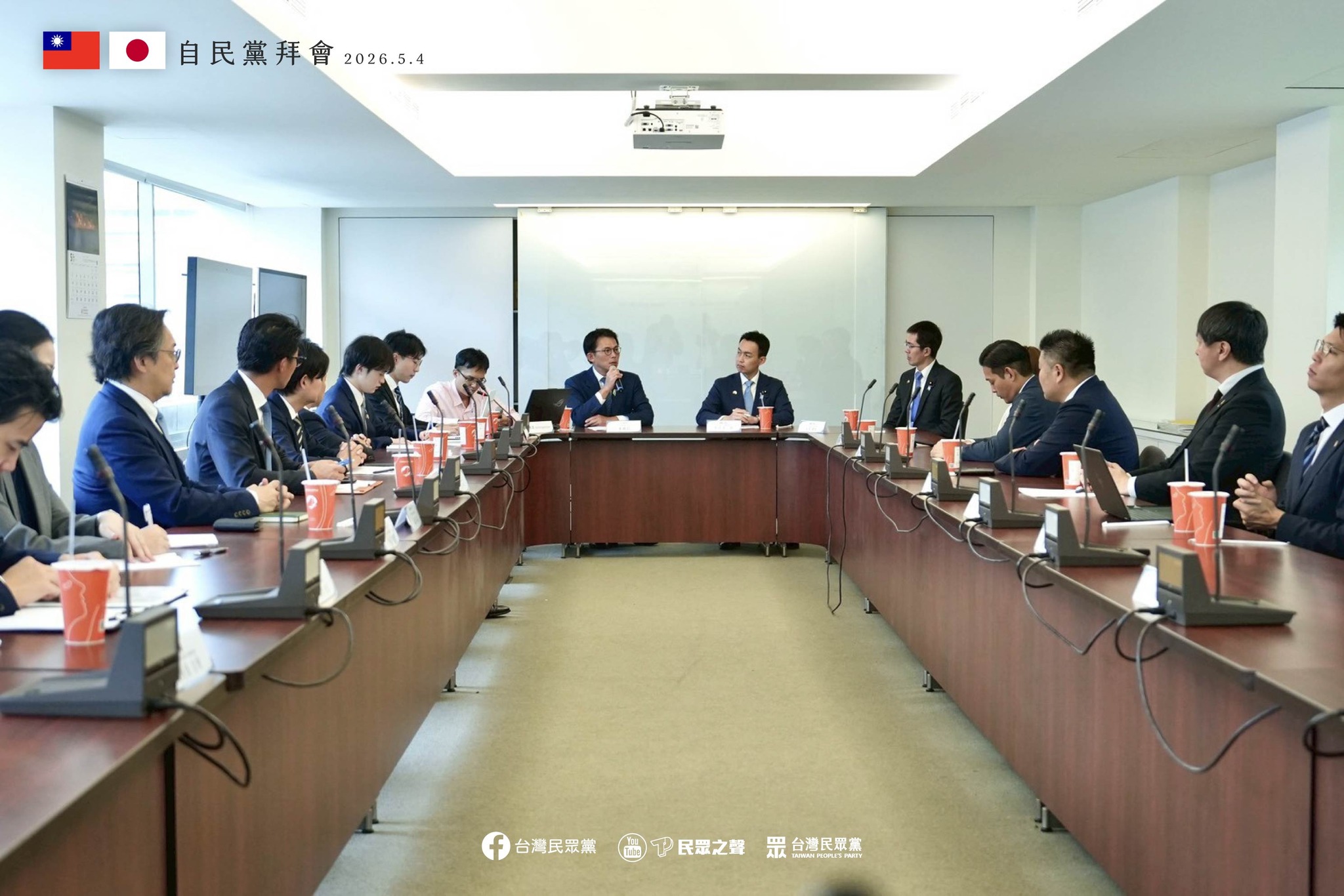
Today, a delegation from the Youth Division of Japan's Liberal Democratic Party (LDP), led by Member of the House of Representatives Shojiro Hiranuma, paid a visit to the Taiwan People's Party (TPP). The delegation was received by TPP Chair KC Huang, alongside Acting Director of the Foreign Affairs Department Renno Liao—who oversees the party’s youth exchange programs with Japan—and Researcher of the Foreign Affairs Department Bill Lin. The two sides engaged in in-depth discussions on Taiwan-Japan diplomatic relations, youth development, combating misinformation, and regional security.
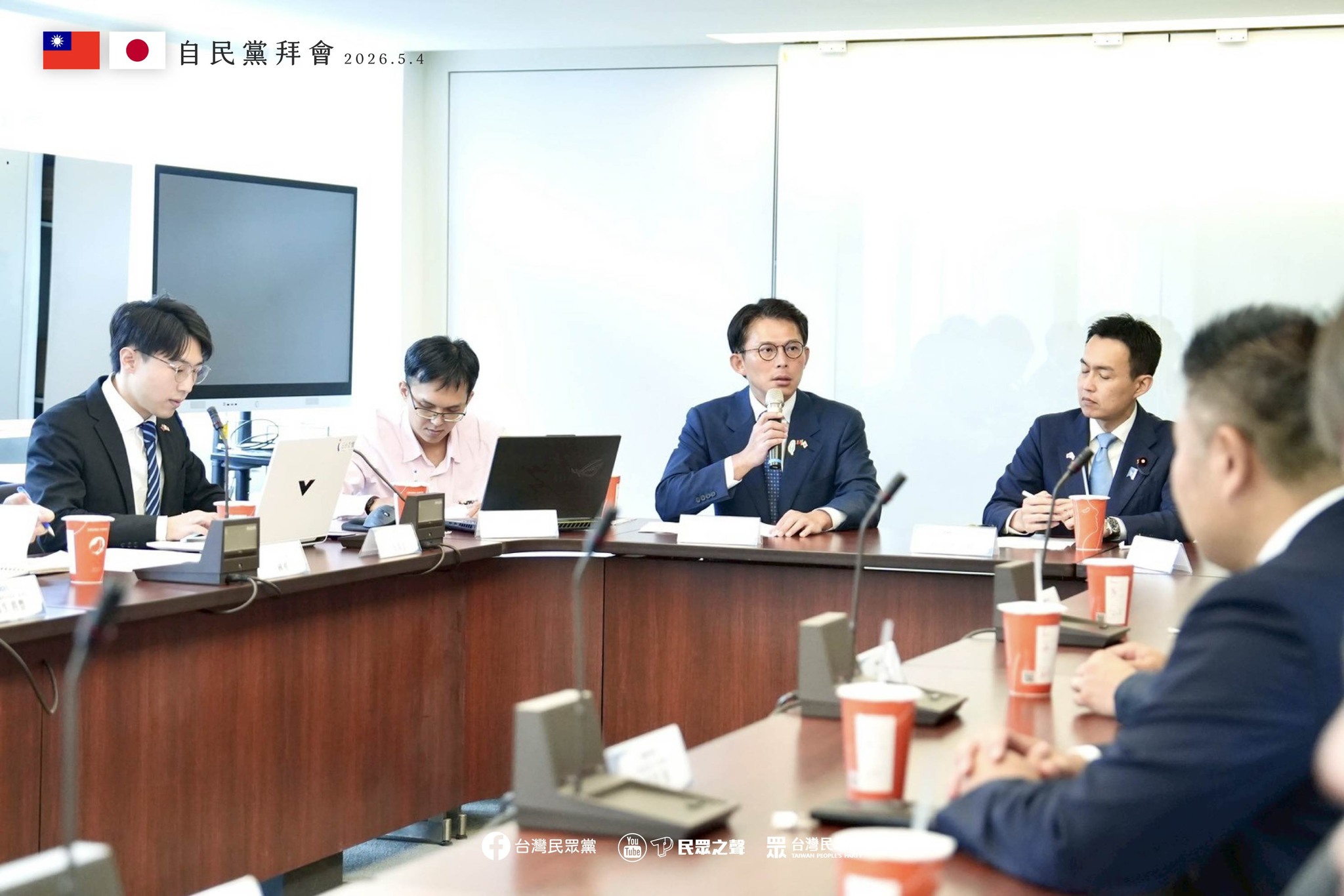
Chair KC Huang opened the meeting by congratulating the LDP on its decisive victory in the recent Diet elections, noting the strong mandate it received from the Japanese people. He also expressed his gratitude to Prime Minister Takaichi for her long-standing support of Taiwan, which has significantly strengthened the deep friendship between the two nations. Huang remarked that the closeness of the relationship is reflected in travel statistics: from January to March of this year, Taiwanese visits to Japan reached 2 million, making Japan the top destination for Taiwanese travelers (37%). Effectively, one out of every three Taiwanese citizens traveling abroad chooses Japan.
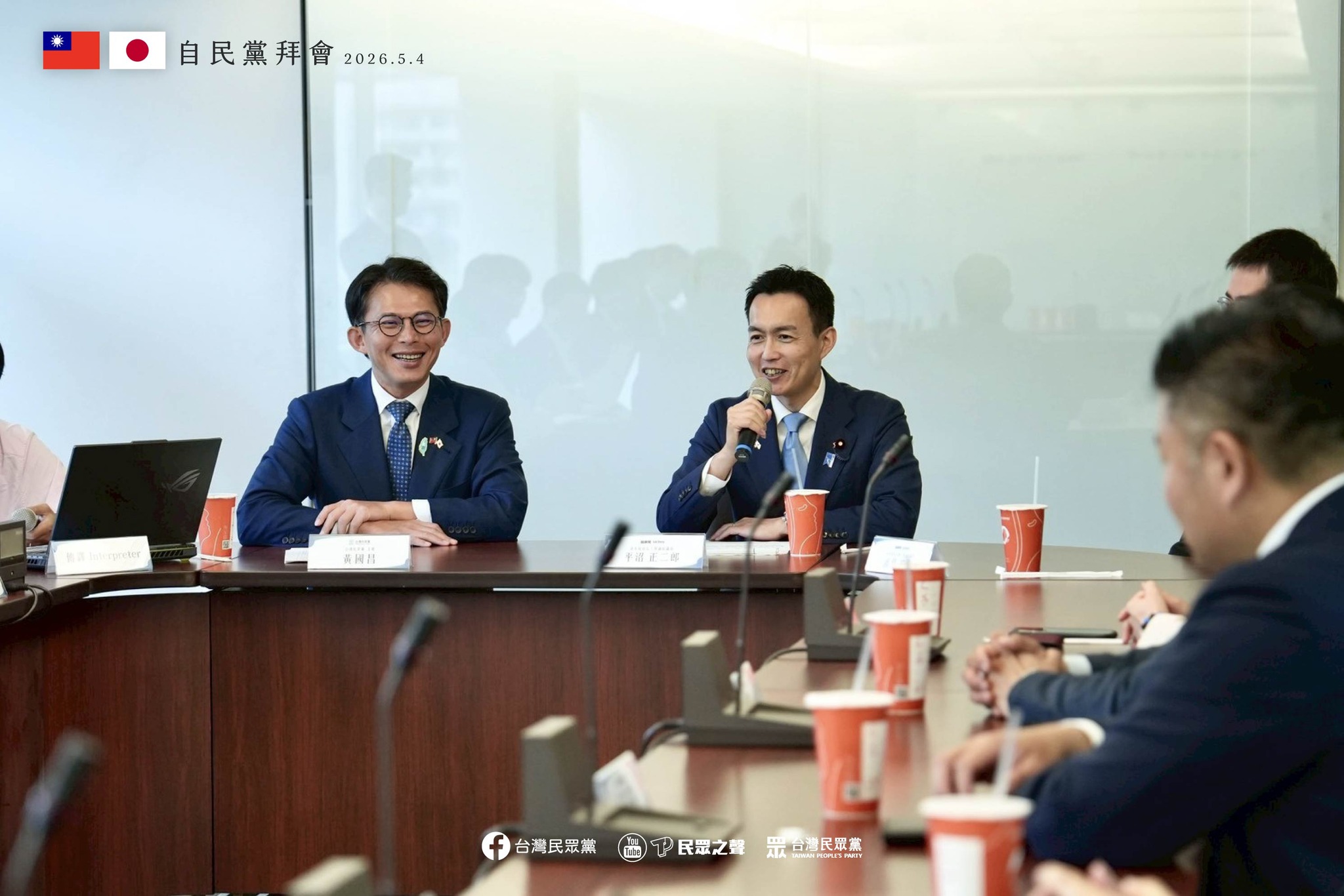
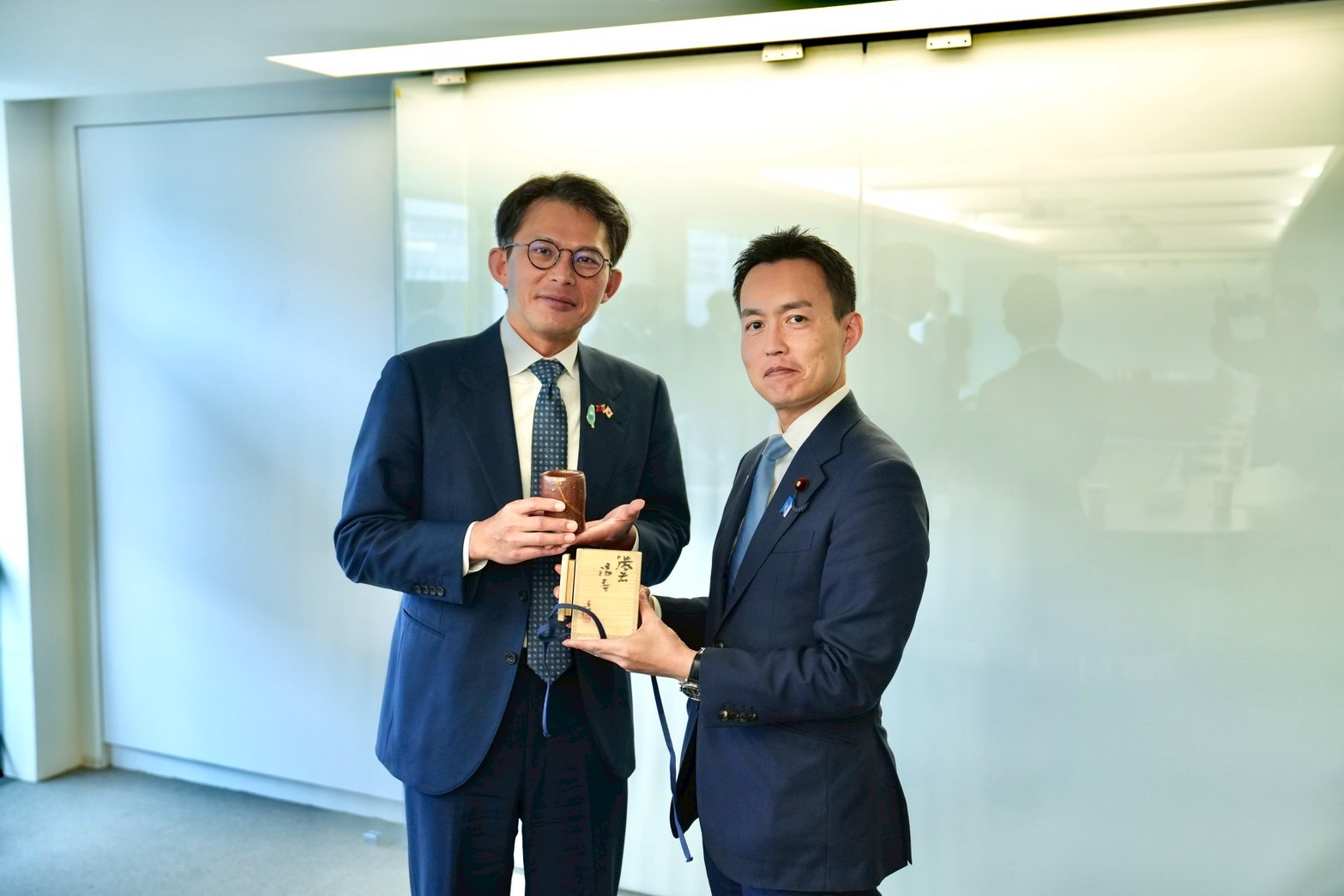
Huang added that Japan is his favorite country to visit, joking that "if I weren't so busy, this would be the season for a soak in the hot springs of Hakone." In response, several LDP Diet members introduced the famous hot springs in their respective home districts and extended invitations to Huang, leading to an impromptu moment of "hot spring diplomacy."
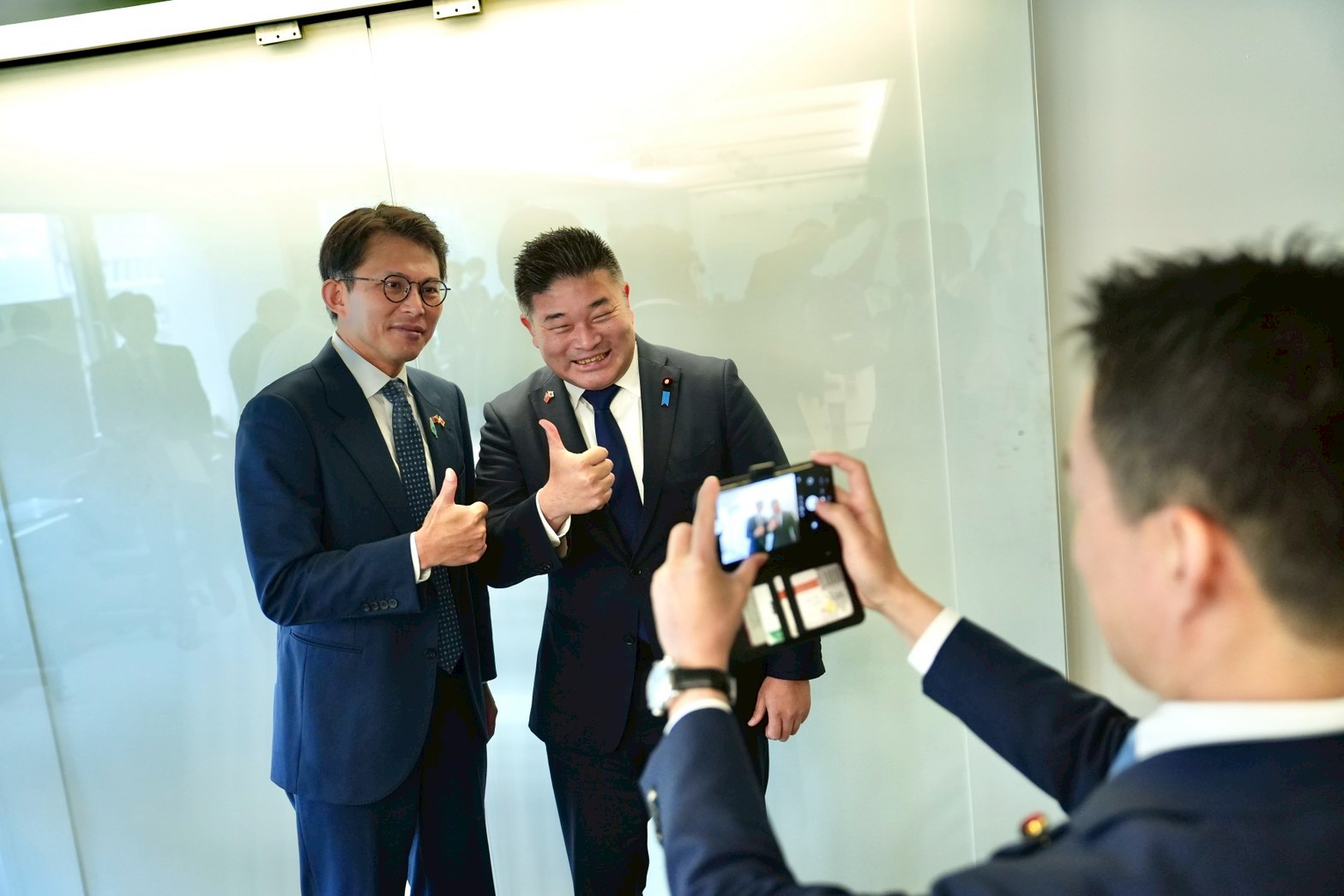
We learned that Member of the Assembly Tsuyoshi Kusama, who joined us in today's delegation, represents the local district of Kanagawa Prefecture—the home of Hakone! We look forward to visiting Kanagawa next time to fully experience the beauty and relaxation of Hakone's hot springs ourselves!
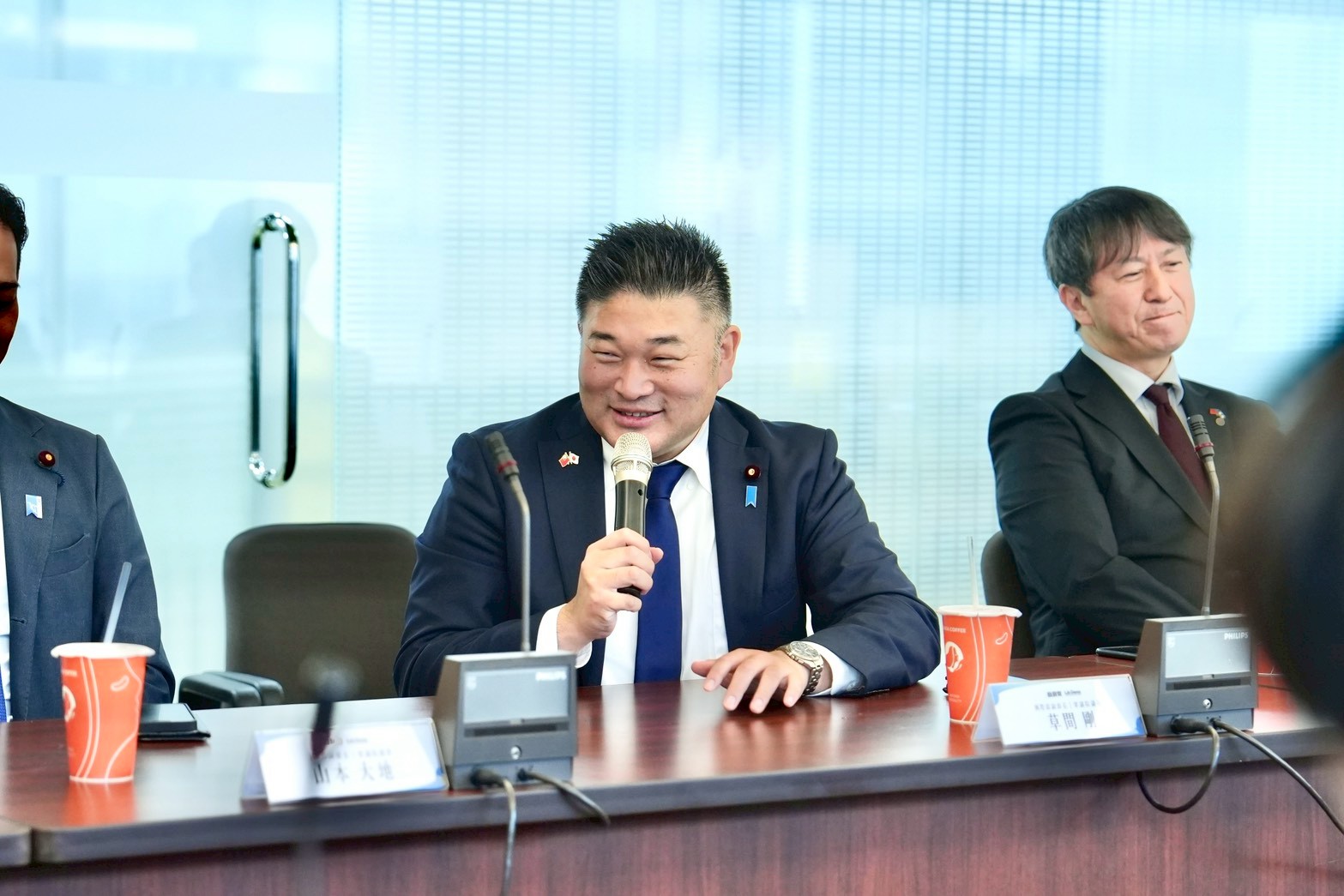
Huang pointed out that on the international stage, the TPP maintains a stance consistent with the government, as both represent Taiwan to the world. He expressed his hope for continued deepening of cooperation in economy, technology, and security. Regarding recent obstacles faced by President Lai during his overseas travels, Huang stated that while Taiwan often faces political realities that prevent fair treatment in the international community, he emphasized that the President "represents Taiwan" when abroad. Despite the intense competition and criticism regarding domestic policies, the TPP supports the government in breaking through Taiwan's diplomatic challenges. On behalf of the TPP, he also conveyed his profound gratitude to Japan and the LDP for their steadfast, long-term support.
On the topic of youth policy, Huang spoke candidly about the "dual squeeze" of low wages and high housing prices facing Taiwan’s younger generation. He noted that the house-price-to-income ratio in Taipei is even higher than in Tokyo, and this heavy economic pressure has contributed to Taiwan's low birth rate. Huang emphasized that "young people are the future of the nation," and it is the TPP's vital mission to resolve these crises through systemic changes, including wage increases, curbing real estate speculation, planning sufficient social housing, and providing subsidies for young families.
The meeting also touched upon strategies for combating misinformation and information warfare. Huang admitted that misinformation in Taiwan does not only affect public policy discussions but often evolves into character assassination against individuals. He noted that even he had faced absurd rumors, such as claims that "his hair is fake." While younger supporters generally possess better media literacy, Huang expressed concern over the impact of misinformation on the elderly. He called on the media to act as "gatekeepers" in a democratic society rather than as megaphones for political parties to attack rivals—a challenge the development of Taiwanese democracy must confront.
Acting Director of Department of Foreign Affairs Renno Liao shared his experience in party diplomacy over the past three years. He noted that because the TPP has limited resources compared to other parties—lacking overseas offices and a comparable presence in traditional media—foreign scholars and officials often face information asymmetry, leading to misunderstandings about the TPP. Consequently, the party highly values face-to-face engagement. This was the impetus behind the Foreign Affairs Department's proposal last year for the party Chair to lead youth delegations abroad, aiming to resolve misunderstandings through proactive outreach.
When asked by delegation members about internet regulations for minors, Huang explained that while there is debate in Taiwan, he believes that rather than forced bans, it is better to provide young people with correct concepts of internet usage. In an era of information explosion, minors mature faster than in the past; empowering them with media literacy so they can proactively protect themselves is more effective than top-down control.
Regarding regional security, Huang reiterated the desire for peace among Taiwan's youth and their determination to protect a way of life defined by freedom, democracy, and the rule of law. He emphasized that the vast majority of Taiwanese do not desire unification with China, stating clearly: "Substantive exchange between Taiwan and Japan does not require looking for approval from Beijing."
Huang further noted that future cooperation should expand beyond security to include the economic and technological sectors, which will ultimately enhance the technology of the defense industry. He cited the TSMC plant in Kumamoto as an example and suggested that big data transmission in the AI era and strategies for democratic nations to collaborate against China's lead in the drone industry will be key areas for future public and private sector cooperation.
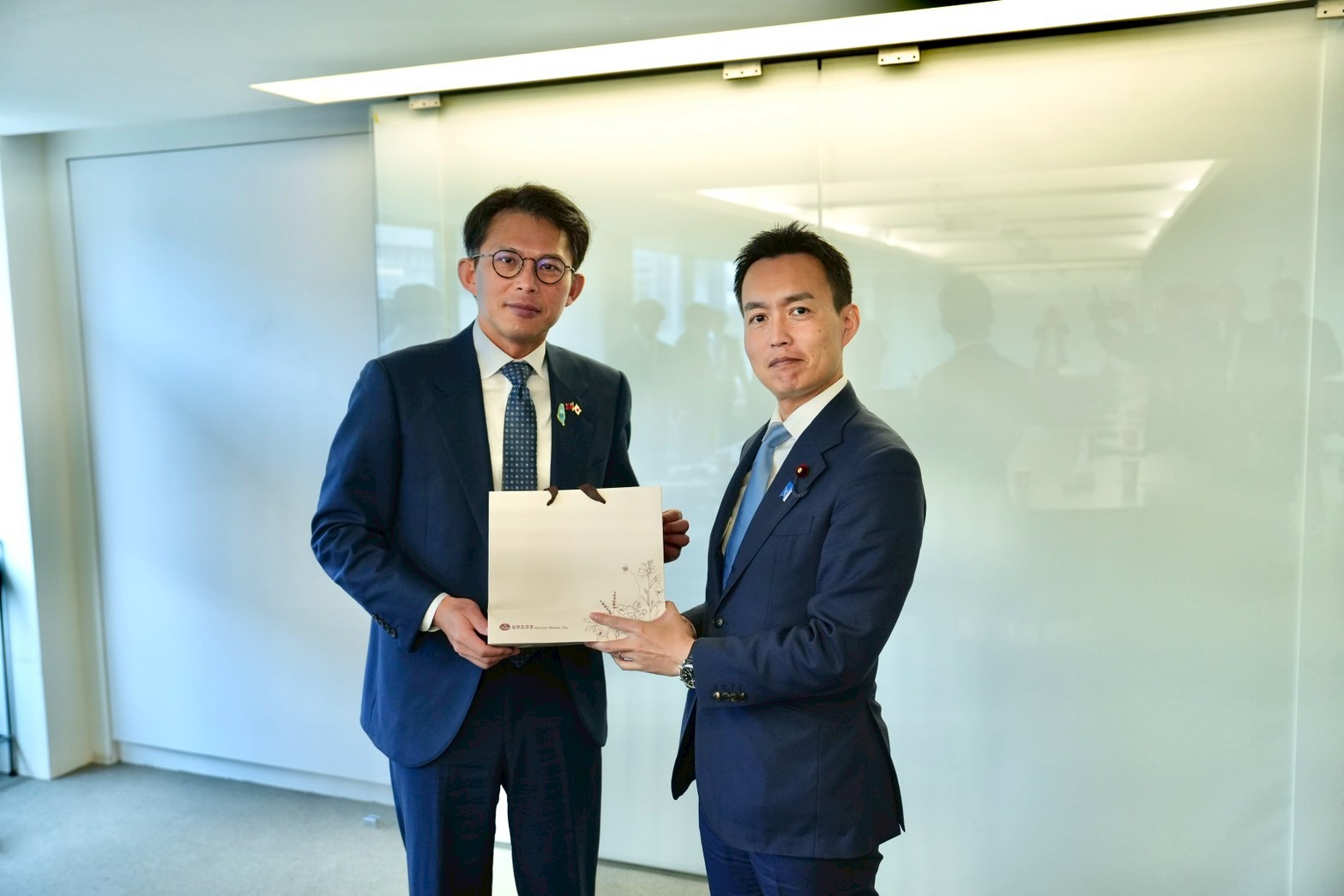
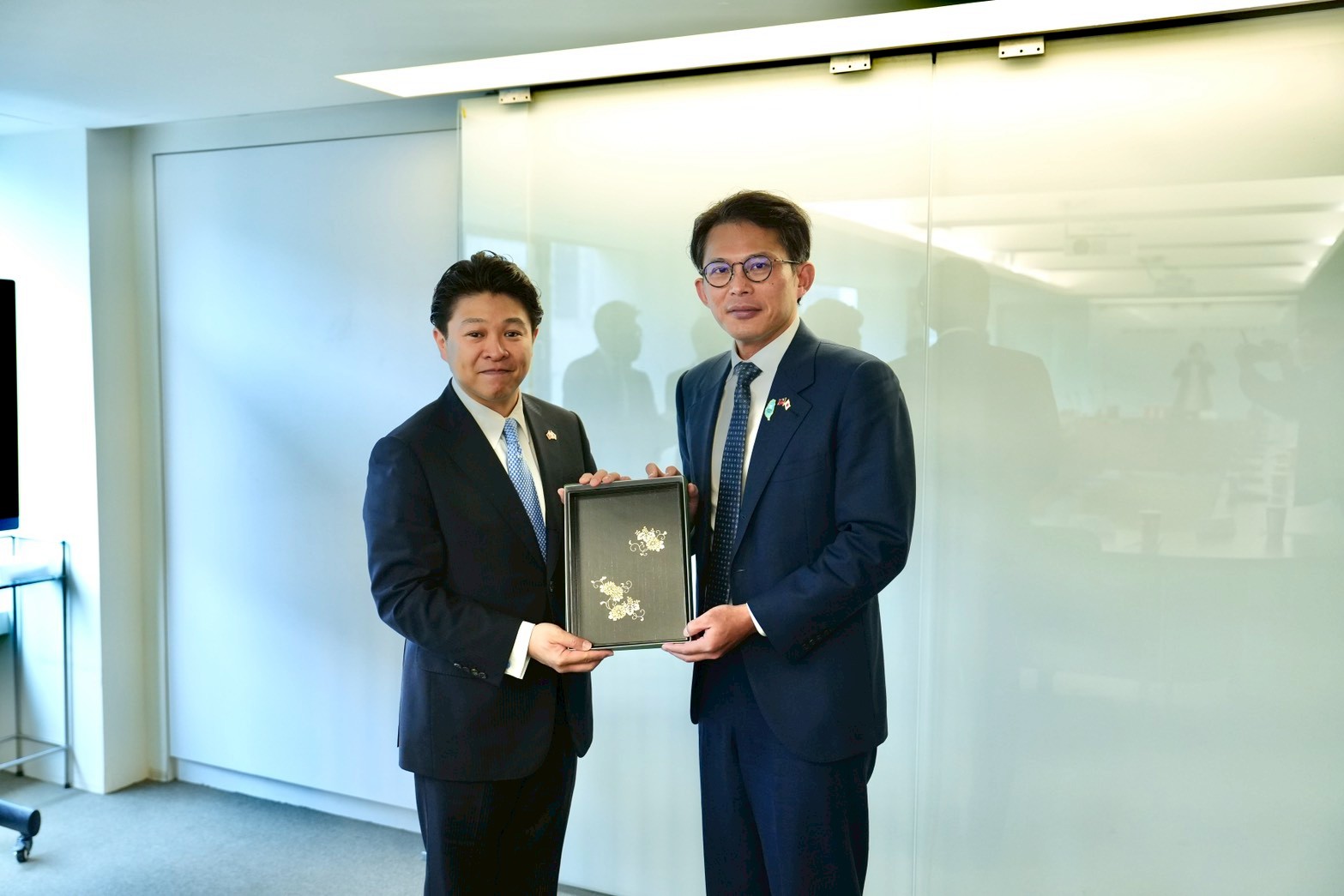
The meeting concluded with Chair Huang presenting the delegation with selected tea gifts and commemorative pen sets, symbolizing the enduring friendship between Taiwan and Japan.